
| 货号 | 包装规格 | 操作 |
|---|---|---|
| MBD0033-50UL | 50 μL |
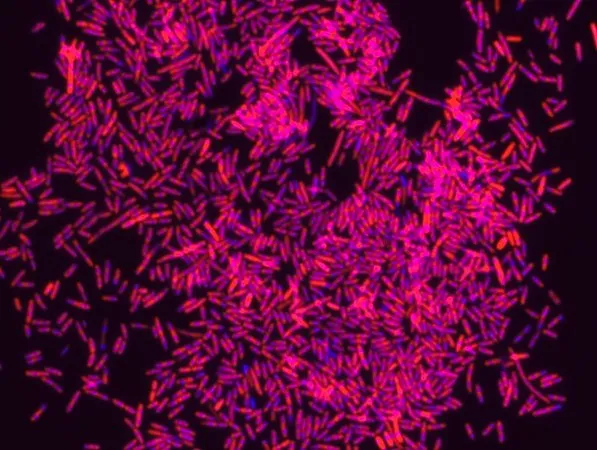
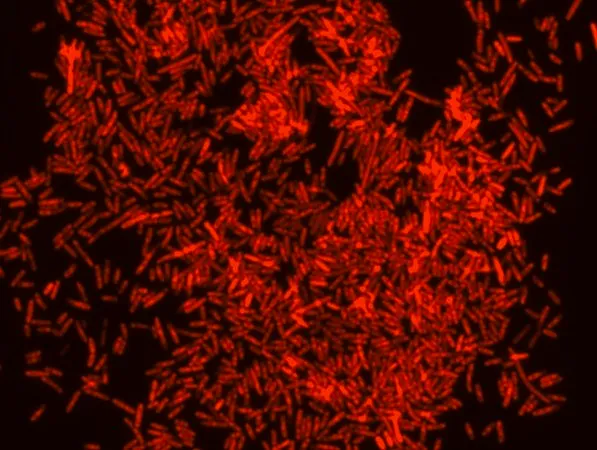
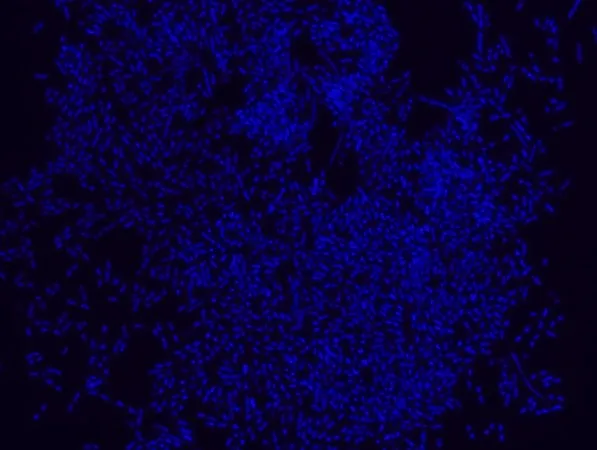
Fluorescent In Situ Hybridization technique (FISH) is based on the hybridization of fluorescent labeled oligonucleotide probe to a specific complementary DNA or RNA sequence in whole and intact cells.1 Microbial FISH allows the visualization, identification and isolation of bacteria due to recognition of ribosomal RNA also in unculturable samples.2
FISH technique can serve as a powerful tool in the microbiome research field by allowing the observation of native microbial populations in diverse microbiome environments, such as samples from human origin (blood3 and tissue4), microbial ecology (solid biofilms5 and aquatic systems6) and plants7.
Prokaryotic single cell life forms are divided into two domains, called Bacteria and Archaea, originally categorized as Eubacteria and Archaebacteria.8 However both terms, Eubacteria and Bacteria are still being used in microbiology.
Eubacteria probe recognizes most bacteria as it is complementary to a portion
of 16S rRNA found in almost all bacteria.9,10
FISH technique was successfully used to identify different bacteria with the universal bacterial probe in various samples such as, pure culture (as described in the figure legends), blood cultures10,11, periapical tooth lesions12, saliva13, biofilms from voice prostheses14, subgingival biofilm15, aortic wall tissue16, buccal epithelial cells, pure culture and cell culture17, intestine tissue embedded in paraffin18, necrotizing fasciitis and pure culture19, colon sections embedded in paraffin20,21, cancer tissues22,23, environmental samples24 and gut of the medicinal leech25. The probe can also be used for combined technique of FISH and Flow cytometric analysis. 9,26,27
It is strongly recommended to include positive and negative controls in FISH assays to ensure specific binding of the probe of interest and appropriate protocol conditions. We offer positive (MBD0032/33) and negative (MBD0034/35) control probes, that accompany the specific probe of interest.
荧光原位杂交(FISH)探针,识别真细菌细胞,推荐使用20%甲酰胺作为杂交缓冲液。
可视化、识别和分离细菌细胞。在不同的微生物组环境中观察天然细菌细胞群。在混合微生物群中特异、灵敏和稳健地识别细菌细胞。特异,即使在样品中细菌丰度较低时,也能进行灵敏和稳健的鉴定。FISH可以通过避免污染细菌检测来完成基于PCR的检测方法。提供有关细菌形态的信息,并允许研究生物膜架构。识别环境和临床样本中的各种细菌,如福尔马林固定石蜡包埋(FFPE)样本、血培养、唾液等。在自然栖息地检测细菌的能力是研究宿主-微生物组相互作用的重要工具。
| 英文名称 | Eubacteria FISH probe - Cy3 |
| NACRES | NA.31 |
| UNSPSC | 12352200 |
| 形态 | 液体 |
| 集中 | 20 μM |
| 技术 | FISH:适用 |
| 运输状态 | 干冰 |
| 储存温度 | −20°C |
| 质量等级 | 200 |
| 包装规格(货号 MBD0033-50UL) | 50 μL |