

| 货号 | 包装规格 | 操作 |
|---|---|---|
| MBD0059-50UL | 50 μL |
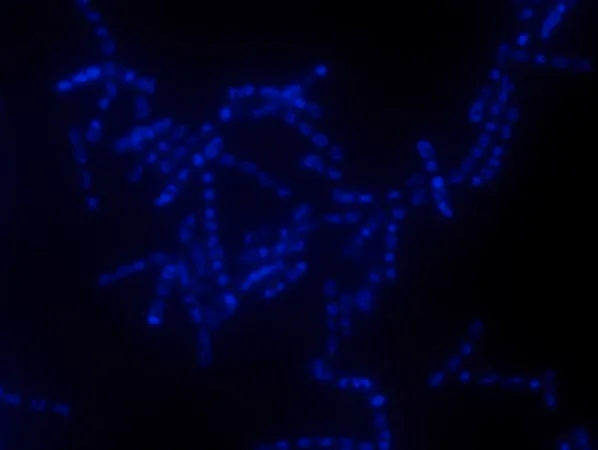
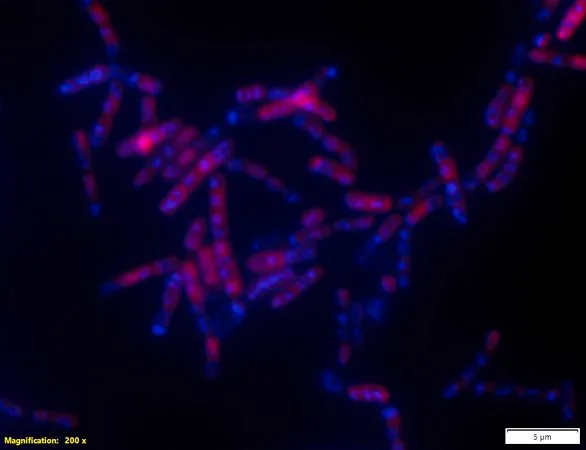
FISH (Fluorescent in Situ Hybridization) technique is based on the hybridization of fluorescently labeled oligonucleotide probes to a specific complementary DNA or RNA sequence in whole and intact cells.PMID 30418568 Microbial FISH allows the visualization, identification and isolation of bacteria due to recognition of ribosomal RNA also in unculturable samples. FISH can serve as a powerful tool in the microbiome research field by allowing the observation of native microbial populations in diverse microbiome environments, such as samples from human origin (bloodPMID 19797464 and other tissuesPMID 28912244), microbial ecology (solid biofilmsPMID 31782619 and aquatic systemsPMID 12732568) and plants.PMID 30852707 Alphaproteobacteria FISH probe – Cy3 (MBD0059) specifically recognizes Alphaproteobacteria cells. Alphaproteobacteria is the second largest class of bacteria within the gram-negative phylum Proteobacteria, with a high level of functional diversity among its eight major orders: Caulobacterales, Rhizobiales, Rhodobacterales, Pelagibacterales, Sphingomonadales, Rhodospirillales, Holosporales and Rickettsiales. Mitochondria are thought to have evolved from Alphaproteobacteria. Between 20-50% of bacterioplankton cells in the ocean belong to the Alphaproteobacteria class, and Alphaproteobacteria is also abundant in soil and freshwater environments. Rhizobiales is a soil-based plant symbiont Alphaproteobacteria widely studied in agricultural research and Rhodobacterales is an example of a purple photosynthetic Alphaproteobacteria bacteria. Certain genera of Alphaproteobacteria, such as Brucella, are common human pathogens. One species of Alphaproteobacteria, Paracoccus yeei, was correlated to opportunistic infections in humans, including peritonitis,myocarditis, and dermatologic lesions. Interestingly, several types of Alphaproteobacteria have been shown to divide asymmetrically, a trait that may contribute to this class’s heterogeneity and adaptability to a wide variety of microbiome environments. The FISH probe has been used to recognize many Alphaproteobacteria species, such as Magnetospirillum gryphiswaldense, a spiral-shaped magnetotactic bacteria first isolated from river sediment in 1990. In addition, the FISH probe has been used to detect Alphaproteobacteria from a wide variety of environmental microbial samples, including bacterial populations isolated from snow, wastewater treatment plants, lichen and sphagnum moss samples, seawater, and freshwater sediments.
荧光原位杂交(FISH)探针,识别α-变形菌门细胞(立克次体目除外)
可视化、识别和分离Alphaproteobacteria细胞。在不同的微生物组环境中观察原生Alphaproteobacteria细胞群体。在细菌混合群体中特异、灵敏和稳健地识别Alphaproteobacteria。特异,即使样品中的α-变形菌丰度较低,FISH也能灵敏、稳健地进行鉴定。FISH可以通过避免污染细菌检测来完成基于PCR的检测方法。提供关于α-变形菌的信息形态
| 英文名称 | Alphaproteobacteria FISH probe-Cy3 |
| NACRES | NA.55 |
| UNSPSC | 12352200 |
| 集中 | 20 μM水溶液 |
| 荧光 | λex 550 nm; λem 570 nm(Cy3) |
| 运输状态 | 干冰 |
| 储存温度 | -10 到 -25°C |
| 质量等级 | 200 |
| 包装规格(货号 MBD0059-50UL) | 50 μL |